Why Most Small Businesses Fail to Scale
In the world of entrepreneurship, there is a profound difference between owning a business and simply owning a job. Many entrepreneurs find themselves trapped in the “solopreneur” cycle, working tirelessly to maintain their current position without ever achieving true scale. To move the needle for Black-owned businesses in the Midwest, we must shift our perspective from maintenance to mastery.
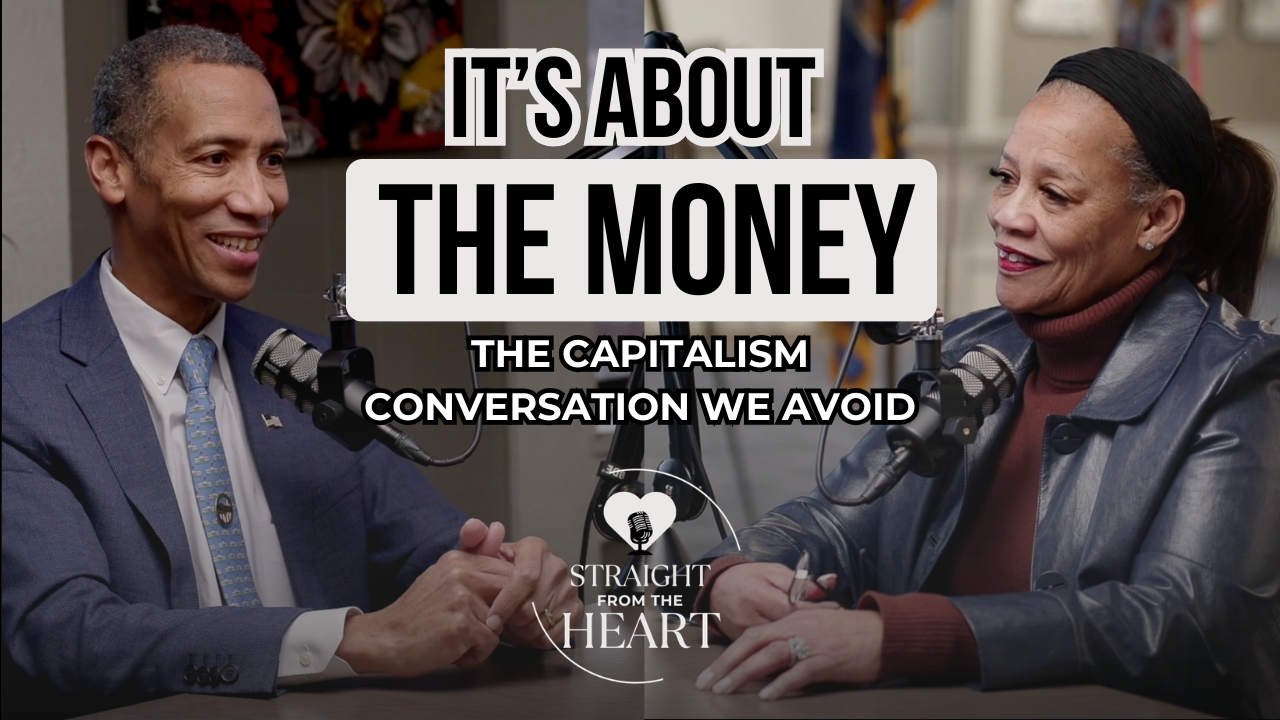
Recently, Vercie Lark, author of Make It Rain, a former executive overseeing a billion-dollar operation at DST, and a seasoned investor, shared his candid insights on what it truly takes to build wealth and independence. His message is a roadmap for any business owner ready to transition from surviving to thriving.
1. Growth is the Only Baseline: If You’re Not Growing, You’re Dying
In business, “steady” is often a polite word for stagnation. Against the constant pressures of rising taxes, shifting market demands, and inflation, any business not actively pursuing growth is effectively in decline.
Lark’s foundational principle is that growth isn’t optional. This requires a fundamental shift from a “manager” mindset, which focuses on maintaining the status quo, to an owner mindset that constantly hunts for the next opportunity. True ownership demands that you step into your building every day, asking how to move the needle, backed by a deep mastery of your financials. If you don’t intimately know your cash flow, margins, and equity, you simply don’t know your business.
2. The “G-to-G” Principle: You Must Have Skin in the Game
Lark’s journey began by pulling scrap metal out of dumpsters in Dayton, Ohio. His father taught him a lesson that stayed with him: “There’s money in those trash cans.” From those humble beginnings, he built a portfolio that included rental homes, apartment complexes, and a BP gas station, generating a million dollars a month.
He calls it the “Give to Get” (G-to-G) principle. He used cash flow from one property to fund the down payment on the next, even tapping his 401k when traditional banking paperwork became a hurdle.
“Most investors invest in you because they believe in you, or they invest in the money you can generate,” Lark explains. “If you want investment, show sales. Show that you can go up a rung or two, then people will invest in you.”
3. Investment Isn’t Just Money, It’s “Cleaning the Corners”
Investment also includes the “sweat equity” you put into your business’s perception. Lark recalls his gas station on the white side of town in Dayton; the previous owner’s advice was to keep it spotless because Lark was now the face of the business. He listened. The interior stayed clean, and the exterior was perfectly maintained.
Pride of ownership is a competitive advantage. Whether it’s a supply store that has operated for 50 years or a new startup, a commitment to clean shelves, organized aisles, and a welcoming environment invites a diverse clientele and builds community trust.
4. Building the Triad: Self, Community, and Business
To build a modern “Black Wall Street,” we must move from dependence to independence. Lark compares the “Crossroads” district, where a billion dollars of investment transformed old warehouses, to the East Side, where challenges persist.
The difference lies in the Triad of Investment:
- Invest in Yourself: Master your craft and your mindset.
- Invest in Your Community: Be a presence that adds value, not just a storefront.
- Invest in Small Businesses: Patronize your neighbors.
We often fear competition, but Lark argues that more businesses in a community actually create more foot traffic and vitality for everyone. We must love our neighbor as a business strategy.
5. Why “Washington” Isn’t the Answer
Having served in the Biden-Harris administration, Lark knows government money intimately. His conclusion is sobering: political winds change every four years. If your community’s turnaround is tied to a specific administration, it is fragile.
“Politicians follow the money and the votes,” he says plainly. “If you don’t vote and you don’t invest, you’re third on the list.” The solution isn’t a grand plan from the capital; it is ownership that happens street by street, block by block.
6. What If 200 Businesses Pooled $1,000 Each?
Lark shares a story of an immigrant landlord who sent money back home to his family to help them invest here in our community. It raises a haunting question: We live here; why aren’t we using our own money in our own home?
He challenges the Heartland Black Chamber’s 200+ members: What if every member pooled $1,000? That $200,000 could collectively fund the businesses the community actually needs. By pooling resources, we stop waiting for grants and start creating the future we want to see.
The Best Way to Predict the Future…
Lark often quotes Abraham Lincoln: “The best way to predict the future is to create it.” Most of us are waiting to see what happens next, but true owners are busy building what happens next. It doesn’t always take a grand plan to make a difference. The power is already in our hands.
Are you ready to stop maintaining and start growing? Join the Heartland Black Chamber of Commerce today, and let’s create the future together.